
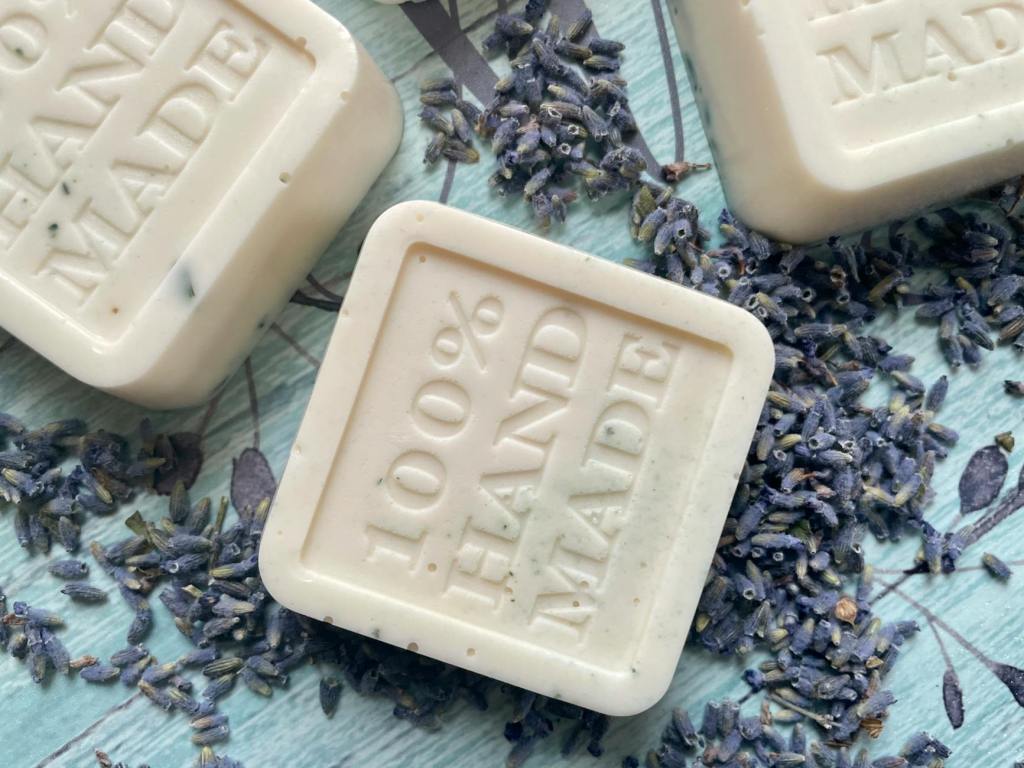
Many people thought making their own beauty products are complex and expensive, but it actually doesn’t have to be that way. You can start with a couple of ingredients to make some common products.
Consider the following points to start creating your own beauty products:
- Gather essential equipment and tools you need
- Evaluate your skin type
- Pick the ingredients suitable for your skin type
- Learn the technical steps in making your own beauty products
5 Key Points to Start
- You have the control of what kinds of ingredients added to the products you use onto your skin daily.
- You know that you use 100% natural products made from organic ingredients.
- Self-made products can be more effective than commercial ones, which often has synthetic additives and could suffocate the skin that prevent penetration of the active ingredients.
- You can customize your beauty products that meets your skin needs.
- It can be a fun and engaging activity with your loved ones.
Types of Products to Create
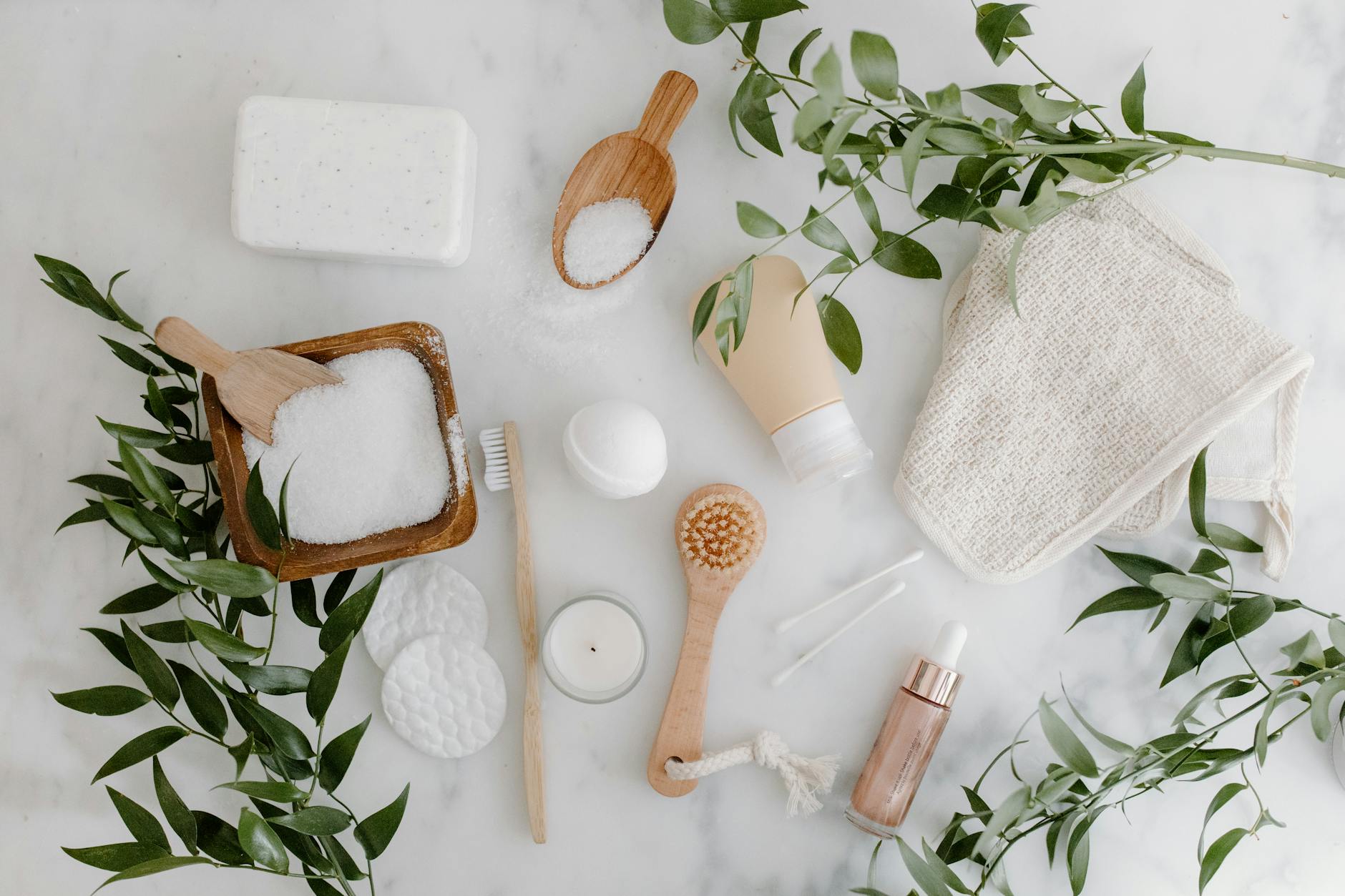
There are endless ideas that you can make products from top to bottom, which includes:
- Face: make-up remover, cleansers, toners, serums, lotions, moisturizers, balms, eye creams, masks, scrubs
- Body: hydrating creams and milks, dry oils, scrubs
- Personal hygiene: toothpaste, deodorant, shower gel, soap, shampoo
- Spa/well-being: massage oil, massage candles, bath bombs, aromatic roll-ons
Selecting the Right Ingredients
Choose the organic ingredients to avoid the chemicals. You need the following basics:
- Vegetable oils & butters: fatty substances extracted from oil-producing plants
- Hydrolats: plant extracts made from using steam distillation
- Essential oils: aromatic compounds extracted from plants or fruits
- Waxes & emulsifiers: textural agents that gives the viscosity and feel of the products
- Surfactants: washing or foaming agents that are mainly used in hygiene products
- Preservatives: substances added to the finished products that gives an optimal shelf life or keep them last longer
Preserving the Products
It is a good idea to add preservatives to your homemade beauty products when necessary, so your products would not be spoil. Here are the following:
- Oil-based products that are prone to oxidation: vitamin E (tocopherol) prevents the oil from going rancid
- Water-based products: an accessible preservative called Geogard prevents bacterial contamination
Keep in Mind
Essential oils are not recommended to children under age of 6, pregnant women or breastfeeding, and people with serious medical conditions.
Basic Equipment
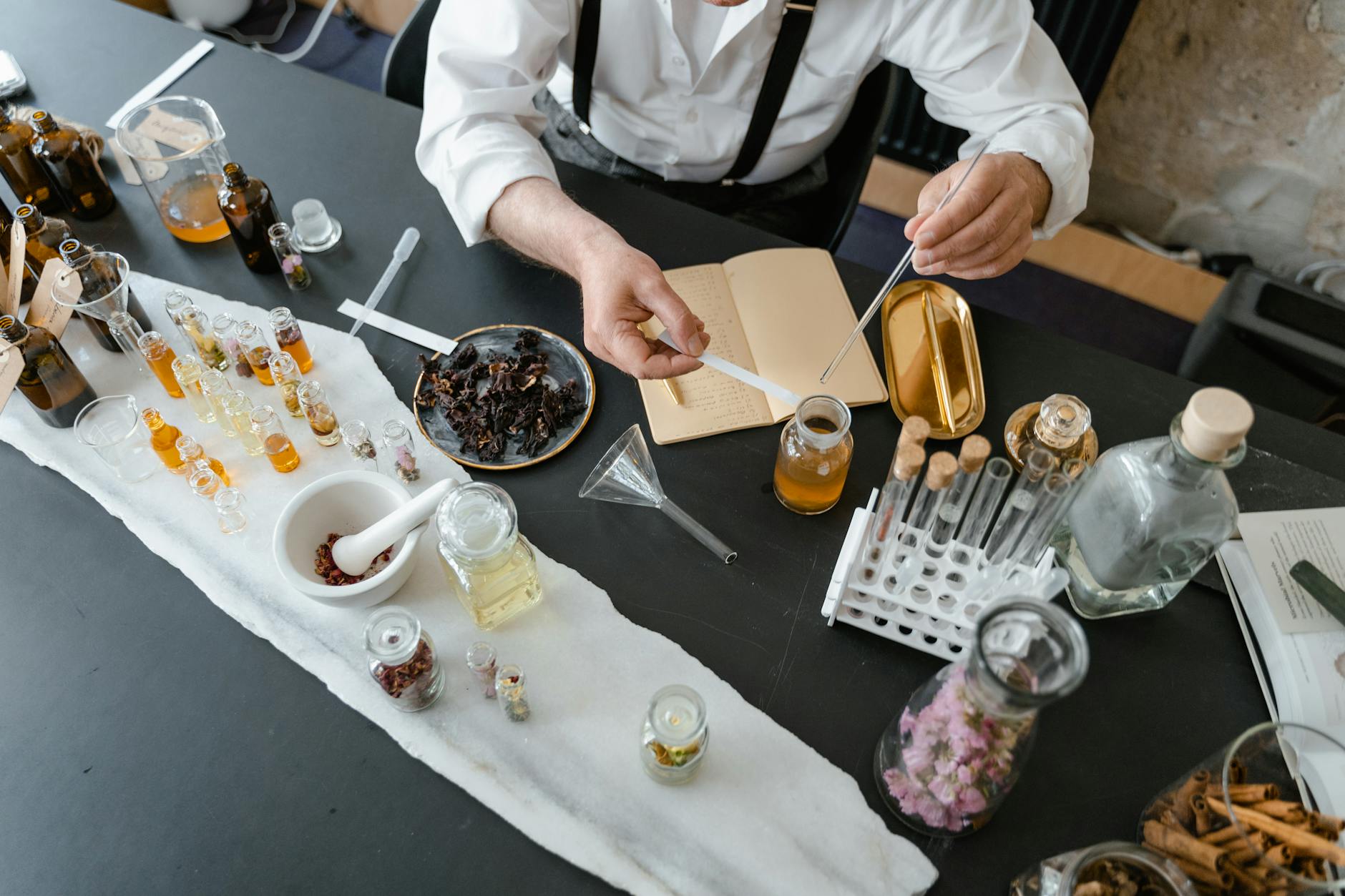
You will need some basic equipment and tools as part of the preparation for the beauty formulation.
For the Production
Measuring the Ingredients
- Precision scale with 0.1 g increments for weighing the ingredients
- Measuring spoon for transferring powders and waxes easily
Mixing
- Glass or stainless steel bowls for bain-marie that requires heating
- Mini stainless steel whisk for mixing ingredients
Transferring the Final Product
- Small funnel for pouring liquids into containers easily
- Graduated syringes for filling cream or gel product into bottles or tubes
Protective Equipment
- Pair of gloves for protecting your skin while working
- Goggles for protecting your eyes
- Mask prevents you from inhaling certain ingredients that can affect your respiratory tract
Packaging Containers
For All Kinds of Products
- Screw-cap bottles are common and versatile for any products; they control the amount of products as you dispense
- Jars are good for pouring the products into and easy to clean
- Good for creams, gels, butters, balms
For Liquid Products
- Spray bottles are suitable for water-based or oil-based products on to a focused area
- Good for mists, massage oils, spray deodorants
For Cream and Gel Products
- Airless dispensers protect the products from oxidation and bacterial contamination
- Good for moisturizers and gels
- Roll-ons provides easy application of the product on a small target area
- Good for eye contour, aromatic roll-ons
- Flexible tubes are for easy distribution of liquid, cream, or gel products
- Good for body milks, exfoliating gels, shower gels
For Balm Preparations
- Sticks are used for storing solid balms
- Good for lip balms, deodorant balms, aromatherapy bars, solid perfumes
Note: Glass and stainless steel equipment can be sterilized through immersion of boiling water in a saucepan for 10 minutes before working with the ingredients.
Good Practice
Hygiene Guidelines
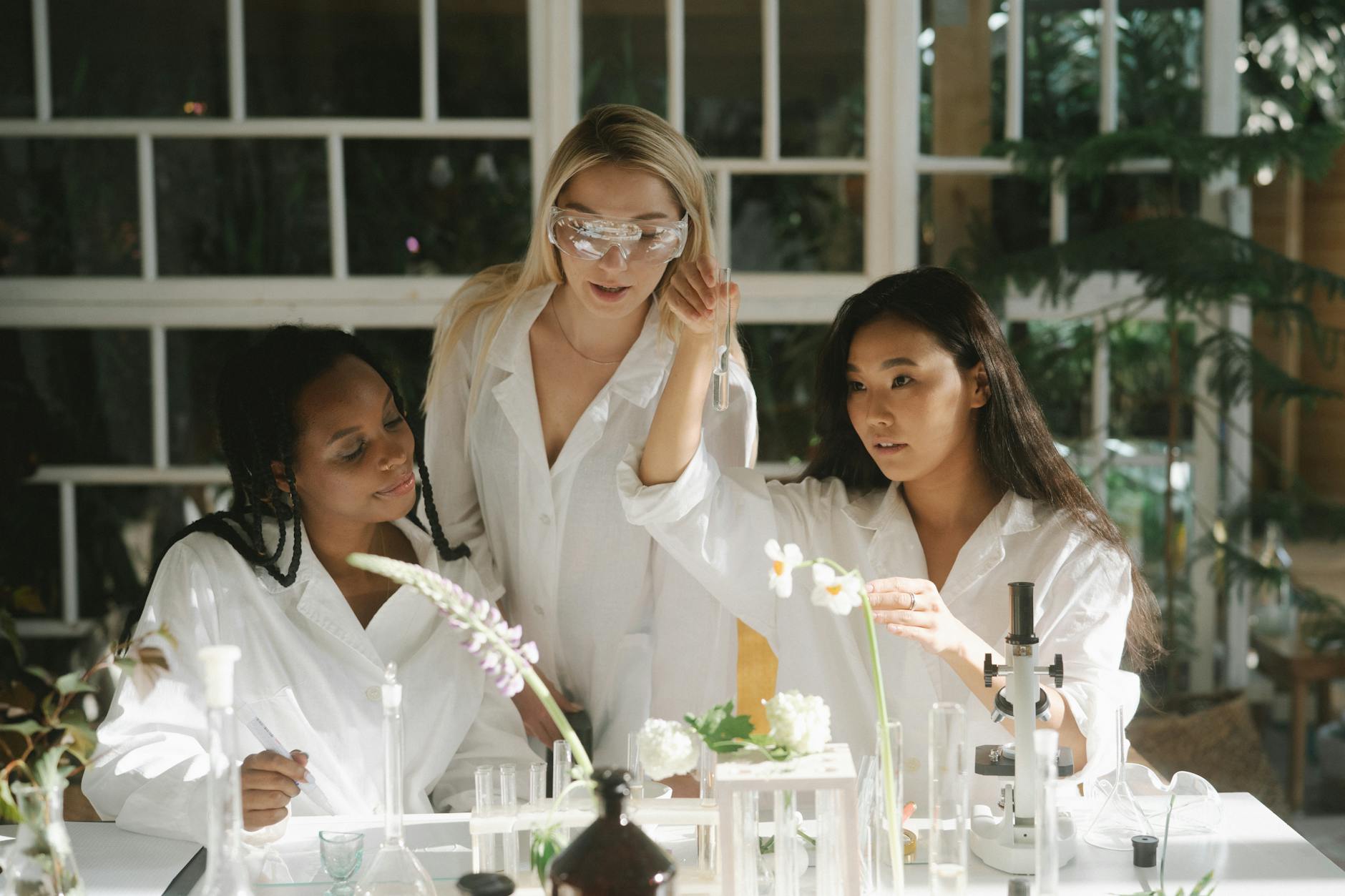
It’s important to follow good hygiene practices to prevent any bacteria being introduced into your products during the formulation; bacteria can affect the shelf-life of your products.
- Wash in hot, soapy water for all the equipment and tools you will need for the recipe (bowls, stainless steel whisk, empty containers, etc.) and let it dry
- Disinfect the equipment with rubbing alcohol
- Prepare your work surface by cleaning and then disinfect with rubbing alcohol
Precautions
- Wear protective equipment to avoid any splashes or burns from the heating process such as gloves, lab coat/apron, and goggles
- Adhere to any precautions for use and the recommended quantities of cosmetic ingredients
- Label all your products for accessible identification, including the name of the product and its Best Before (date of production + shelf life) date
- Have a recipe notebook for recording what ingredients used and their quantities
- Test your preparation in the crease of your elbow to ensure your skin is not react to it. The natural ingredients can cause an allergic reaction to certain skin types. If no reaction takes place within 24 hours, you can use the product.
- Keep everything out of reach of children such as ingredients, products, and the equipment & tools
Skin Diagnostics
To figure out what beauty products to make, try answering these questions:
- What does your skin need?
- What consistency suits me best?
- How should my product look?
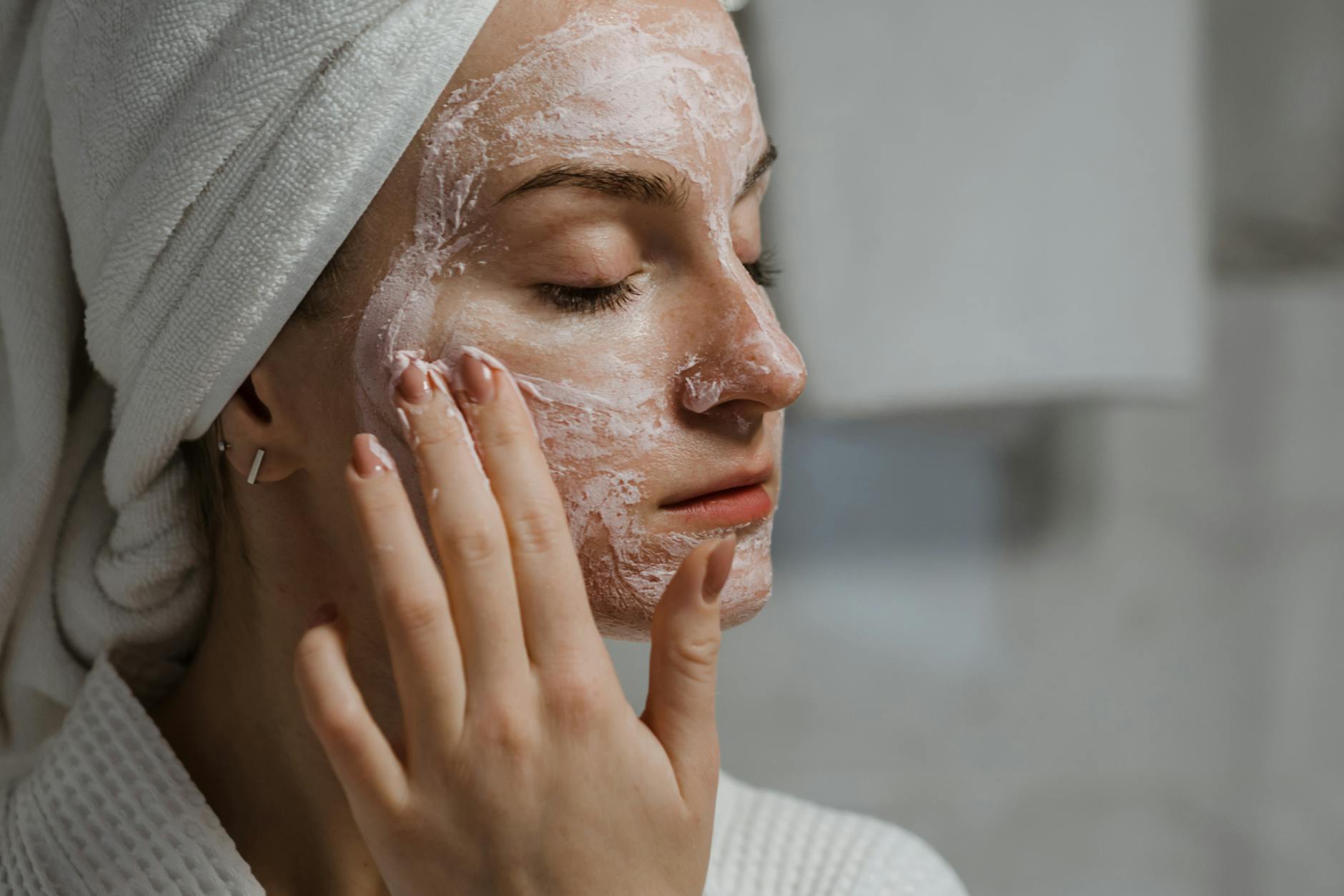
Your skin type depends on your genes and your own specific internal balances. Skin type may change over time from various factors: age, hormones, environment (pollution, stress, climate), lifestyle (fatigue, diet), or using wrong products.
Knowing your skin’s needs is essential for providing the proper care. What’s your skin type?
Identifying Your Skin Type
Before evaluating your face, remove any make up and clean your skin, and then look in front of the mirror in a good light.
Choose the answer that aligns best with your skin:
Texture
- Your skin is smooth and firm
- Your skin is coarse and sticky
- Your skin is thin and rough
- Your skin is rough on the T-zone and thin on the rest of the face
Visual
- Your complexion is luminous with mainly tight pores
- Your complexion is dull with large, visible pores (blackheads, pimples, or blemishes)
- Your complexion is fair and prone to redness
- Your complexion is shiny on the T-zone with large pores (blackheads or pimples) and matte for the rest of the face with smaller pores
Sensitivity Check
- Your skin feels soft and comfortable
- Your skin is not quite sensitive
- Your skin feels tight and uncomfortable
- Your cheeks feel tight and uncomfortable at times
Review
- If you answered mostly ‘1’, you have normal skin. It is rare to have nowadays due to external factors like pollution, stress, and climate change.
- If you answered mostly ‘2’, you have oily skin. It is mainly genetics, but it is fairly easy to handle if you follow the right recommendations. If not treated properly, its hypersensitivity will increase the visible oils on the skin surface.
- If you answered mostly ‘3’, you have dry skin. It may often look appealing and blemish-free with no visible pores, but it may hidden a deeper discomfort from a lack of natural oil.
- If you answered mostly ‘4’, you have combination skin, Your skin is often oily on the T-zone area and dry/normal elsewhere. It is the most common skin type for women.
Evaluating Your Skin’s Condition
Choose the best answer that aligns with your current skin’s condition:
Your skin feels tight
- often after washing
- all day
- never or occasionally
You have red marks or signs of sensitivity
- all the time
- more often
- sometimes on the nose or cheeks, or never
You have blemishes
- never
- regularly
- rarely
You have wrinkles
- You don’t have wrinkles
- You have expression lines, specifically around your eyes
- Your wrinkles are more pronounced
Review
- If you answered mostly ‘1’, you have sensitive skin. Skin becomes more sensitive when the cutaneous barrier is in a unfavorable condition from internal or external factors such as pollution, stress, petrochemical cosmetics, inflammatory foods, etc.
- If you answered mostly ‘2’, you have dehydrated skin. This causes from a lack of water in the dermis layer, which makes it hard for products to penetrate through various skin layers.
- If you answered mostly ‘3’, you have mature skin. It’s not just related to age, but also the skin is less elastic and sagging as the epidermis thins.
- If you have a mix answers, your current skin condition has more than one condition listed above. Generally, there are about 2 skin conditions per skin type, not all 3. If you are very lucky or very young, you will only have one skin condition. However, it’s possible to have all combinations like a sensitive skin that is mature and prone to dehydration.
Customize the Raw Ingredients
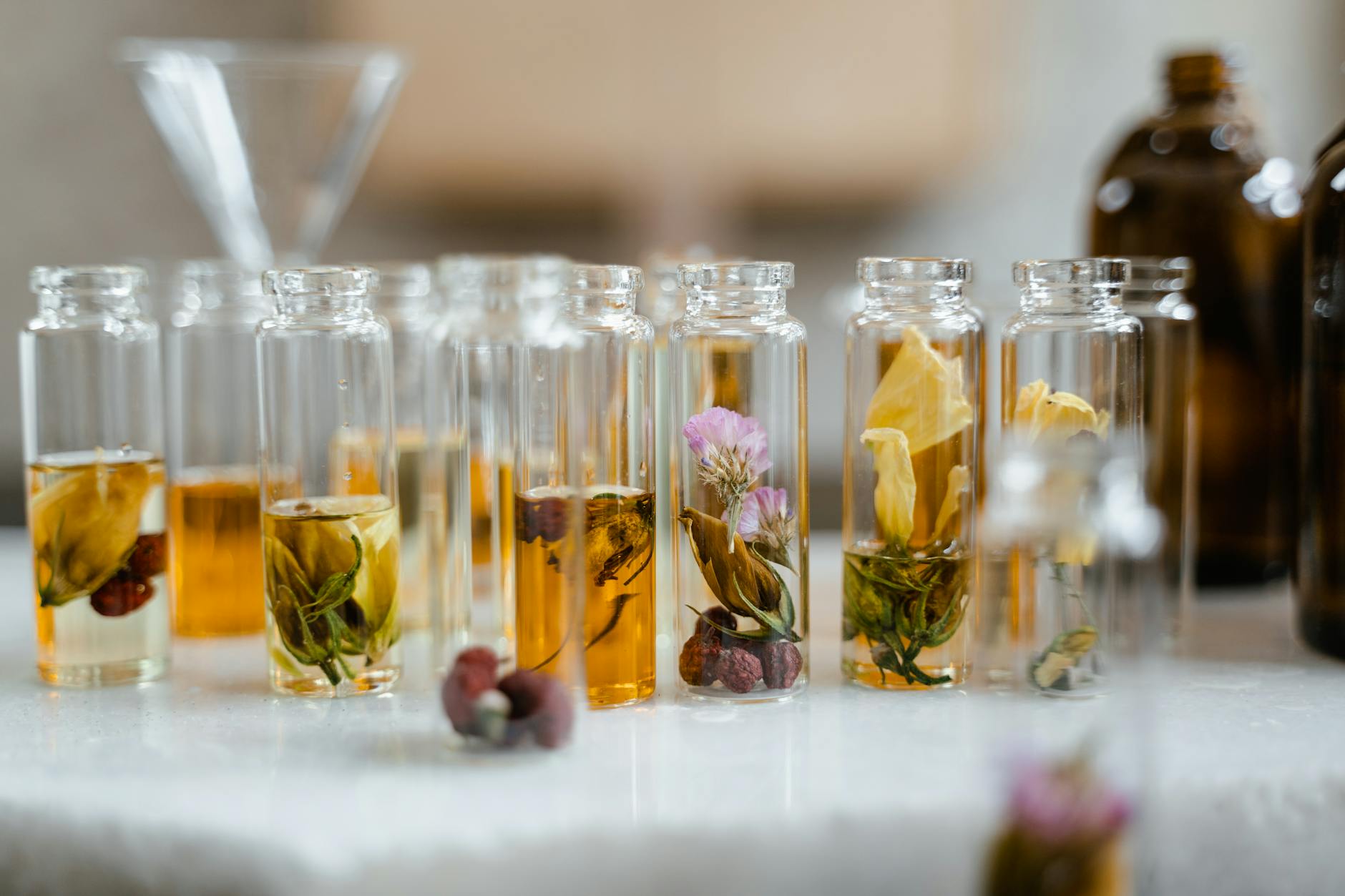
It’s essential to choose the raw ingredients because each of them plays a role that aligns with for your skin type. Keep in mind that everyone’s skin is unique, so an ingredient may work for you but may not work the same way for your friend.
Suitable Ingredients Based on Each Skin Type
| Your option of hydrolat(s) | Your option of vegetable oil(s) | Other active ingredients (extracts, essential oils, clays) | |
| Dry Skin | Camomile Linden/lime tree Orange blossom | Apricot Avocado Sweet almond | Cocoa butter Mallow extract Pink clay |
| Normal Skin | Blackcurrant Lavender Rose | Argan Jojoba Macadamia | Cucumber extract Mallow extract White clay |
| Oily Skin | Geranium Lavender Rose | Grape seed Hazelnut Jojoba | Green clay Honey extract Lemon essential oil |
| Combination Skin | Eucalyptus Mint Tea tree | Hazelnut Jojoba Sesame | Cucumber extract Green clay Tea tree essential oil |
Suitable Ingredients Based on Skin Condition
| Your option of hydrolat(s) | Your option of vegetable oil(s) | Other active ingredients (extracts, essential oils, clays) | |
| Sensitive Skin | Camomile Lavender | Marigold Sweet almond | Mallow extract Pink clay |
| Dehydrated Skin | Linden/lime tree Orange blossom | Shea butter Sweet almond | Aloe vera Hyaluronic acid |
| Mature Skin | Blackcurrant Rose | Argan Musk rose | Honey extract Rose essential oil |
Uses & Properties
Hydrolats
They are aqueous extracts of a plant that is collected during the steam distillation process. Since it has less aromatic molecules than essential oils, there are no contraindications to its use.
Uses
- In lotions, by itself or with other hydrolats
- In the aqueous phase of a gel
- In the aqueous phase of an emulsion
Properties
- Camomile: soothing, softening, calming, regenerating
- Blackcurrant: toning, antioxidant, refreshing
- Eucalyptus: purifying, antibacterial, antiseptic, refreshing
- Orange blossom: soothing, calming, comforting, regenerating
- Geranium: astringent, balancing, purifying, repairing
- Lavender: astringent, regenerating, purifying, soothing
- Mint: toning, astringent, purifying, refreshing
- Rose: balancing, skin tonic
- Tea tree: antibacterial, antiseptic, purifying, cleansing
- Linden/lime tree: soothing, softening, brightening, comforting
- Verbena: toning, softening, repairing
Vegetable Oils
They are the fatty substances that extracted from plants (i.e., seeds, nuts, or fruit with lipids) through mechanical cold pressing to get high-quality oil. They are very rich and moisturizing due to high levels of fatty acids and vitamins, which are beneficial for your skin.
Uses
- As treatment oils, as itself or mix with other vegetable oils and/or essential oils
- Mix with vegetable butter to make a balm
- In the oil phase of an emulsion
Properties
- Apricot: regenerating, softening, soothing, emollient
- Sweet almond: soothing, calming, softening, emollient
- Argan: repairing, regenerating, rejuvenating, hydrating
- Avocado: restructuring, fortifying, protecting, softening
- Coconut: fortifying, protective, softening, emollient
- Jojoba: sebum regulator, hydrating, regenerating, penetrating
- Macadamia: restructuring, soothing, repairing, emollient
- Hazelnut: astringent, sebum regulator, repairing, protective
- Castor: fortifying, repairing, regenerating, promotes hair, eyebrow and eyelash growth
- Sesame: antioxidant, regenerating, restructuring, penetrating
Vegetable Butters
They are fatty substances that have the same properties as vegetable oils.
Uses
- Mix with a vegetable oil to make a balm
- In the oil phase of an emulsion
properties
- Shea butter: repairing, healing, hydrating, calming, protective
- Cocoa butter: repairing, rejuvenating, hydrating, soothing
Essential Oils
They are substances with the active ingredients of the plant; they are highly concentrated liquid extracts of aromatic plants that are extracted from steam distillation.
Uses
- As a treatment oil, dilute in one or more vegetable oils
- In a lotion with a suitable dispersant
- As an additive to a cold-finished product at the end of the preparation process
properties
- Lemon: purifying, detoxifying, astringent, toning
- Lavender: soothing, calming, regenerating, purifying, relaxing
- Mint: refreshing, astringent, purifying, stimulating, energizing
- Sweet orange: soothing, relaxing, toning
- Tea tree: purifying, antiseptic, antibacterial, toning
- Ylang ylang: relaxing, uplifting, comforting, revitalizing
Other Active Ingredients
Clays
They have been used in beauty products for a long time and are still of the key ingredients used today.
Uses
- Toothpastes
- Dry shampoos
- Quick masks
properties
- White clay for normal skin: purifying, mattifying, repairing, softening
- Pink clay for dry skin: cleansing, mattifying, repairing, softening
- Green clay for combination to oily skin: detoxifying, purifying, repairing, remineralizing
Hydroglycerine Extracts
They are aqueous extracts made by soaking vegetable matter (i.e., plants, fruits, and vegetables) in a mixture of organic vegetable glycerine and water for a long time.
Uses
- In lotion, mix with one or more hydrolats
- In the aqueous phase of a gel
- In the aqueous phase of an emulsion
Properties
- Cucumber: hydrating, purifying, astringent, refreshing
- Mallow: soothing, softening, emollient, hydrating, antioxidant
- Honey: purifying, hydrating, revitalizing, regenerating, softening
Hydration Boosters
They are essential for all skin types, especially dehydrated skin.
uses
- As an additive to a cold-finished product at the end of the preparation process
properties
- Hyaluronic acid: hydrating, rejuvenating, protective, plumping, softening
- Aloe vera gel: very hydrating, nourishing, repairing, soothing, purifying, regenerating, rejuvenating, protective
What Product(s) Suit for the Skin Type
Your skin has 3 main keys to look its best: hydration, nutrition, and protection. In addition, you need to know the specific characteristics of your skin type to get the right, proper care.
Dry skin requires constant hydration and moisturization to incorporate water into the skin cells and seal it to prevent the water loss, respectively.
Combination to oily skin seeks a particular care based on the areas: purifying the T-zone and hydrating the rest of the face. Decent cleansing and regular exfoliating are necessary for this skin type.
Normal skin has the likelihood to dry out over time, so good hydration is important.
Follow a personalized beauty routine is the best pathway to a beautiful skin. It includes the essential steps to do on a daily basis for your skin’s health.
Make-Up Removal
Our skin presents itself based on our daily habits, so it is crucial to cleanse it properly every evening to remove impurities or dirt buildup during the day (i.e., pollution, sebum, toxins). If you don’t remove your make-up, your face will have a dull complexion and the skin dries out, which makes it prone to imperfections.
Suitable Textures:
- For normal, combination or oily skin: gels, oils, foams or soaps
- For dry skin: milks or oils
Toning
Toner is a liquid product that balances and prep the skin for the absorption of products after it. It is used after the cleansing step and before the application of serums and/or moisturizers.
Suitable Textures:
- Pick one or more hydrolats based on the skin type (alcohol-free and perfume-free)
Moisturizing
Our skin encounters the external aggressors on a daily basis. It is important to moisturize it well to restore its protective barrier.
Suitable Textures:
- For normal, combination or oily skin: moisturizing creams, especially ones in a fluid texture
- For dry skin: balms or rich creams
Exfoliating (once a week)
Exfoliation uses a product with small particles (like beads or grains) to gently remove the dead cells that build up on the skin’s surface.
Suitable Textures:
- For dry skin: creams or balms
- For combination to oily skin: gels
- For sensitive skin: gels, oils, foams or soaps
Final Thoughts
Making your own beauty products doesn’t have to feel intimidating, expensive, or overly technical. As you’ve seen, with a thoughtful approach, a handful of quality ingredients, and good hygiene practices, anyone can begin crafting simple, effective products tailored to their skin’s unique needs.
Homemade beauty is about more than just mixing oils and hydrolats—it’s about reconnecting with what you apply to your skin every day. When you understand your skin type and current condition, you can intentionally choose raw ingredients that hydrate, nourish, protect, and support your skin’s natural balance. This personalized approach often delivers better results than one-size-fits-all commercial products filled with synthetic additives.
Equally important is the mindful process behind formulation: learning proper techniques, using clean and sterilized tools, preserving products correctly, and practicing safety at every step. These habits ensure not only the effectiveness of your creations but also their longevity and safety.
Whether you start with a simple toner, a nourishing balm, or a gentle cleanser, each product you make builds confidence and knowledge. Over time, formulating your own beauty products can become a deeply rewarding ritual—one that supports your skin’s health, aligns with a more natural lifestyle, and even brings joy when shared with loved ones.
Start small, listen to your skin, keep experimenting, and enjoy the creative journey. Your skin—and your well-being—will thank you. 🌿


 Wholesomenique
Leave a comment