
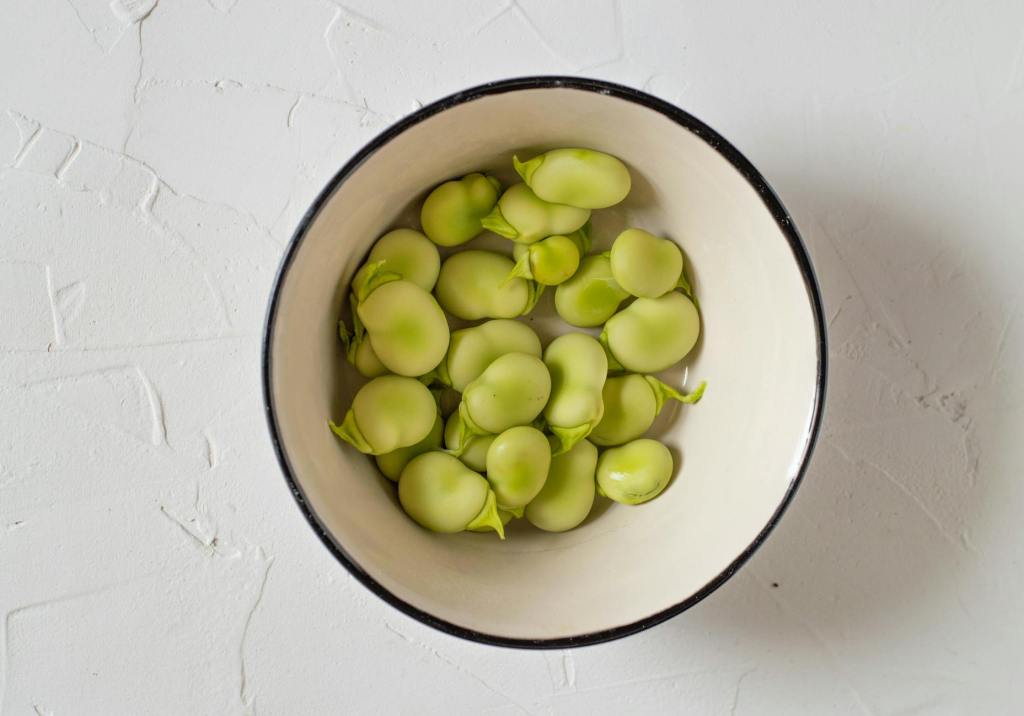
Fava beans, also known as broad beans, have been a staple in diets worldwide for centuries. These nutrient-rich legumes are not only delicious but also packed with fiber, essential minerals, and plant-based protein. Whether you enjoy them fresh, dried, or cooked in a variety of dishes, fava beans are a fantastic way to nourish your body and elevate your meals.
The Health Boosting Powers of Fava Beans
Fava beans bring a wealth of health benefits to your plate. Here’s why they deserve a spot in your diet:
- A Fiber Champion for Heart Health: Loaded with soluble fiber, fava beans help lower “bad” LDL cholesterol, keeping your heart happy and healthy
- Nature’s Multivitamin: Packed with essential minerals like magnesium, iron, calcium, and potassium, they support bone strength, muscle function, and overall well-being
- Brain & Mood Enhancer: Fava beans contain L-dopa, a precursor to dopamine, which may help improve mood, mental focus, and cognitive function
- Antioxidant & Immune Support: With quercetin, vitamin C, and folate, fava beans protect your cells from oxidative stress and boost immunity
- Supports Liver & Digestion: Certain compounds in fava beans promote liver detoxification and gallbladder function while aiding digestion
Delicious & Creative Ways to Enjoy Fava Beans
Fava beans are incredibly versatile, lending themselves to various dishes and cuisines. Here are some tasty ways to incorporate them into your meals:
- Wholesome Soups & Stews: Add them to soups and stews to boost texture, protein, and nutrition
- Refreshing Salads: Toss cooked fava beans into salads with lemon, feta, and cherry tomatoes for a Mediterranean-inspired dish
- Creamy Dips & Spreads: Blend cooked fava beans with tahini, lemon, and spices to create a rich, hummus-liked dip
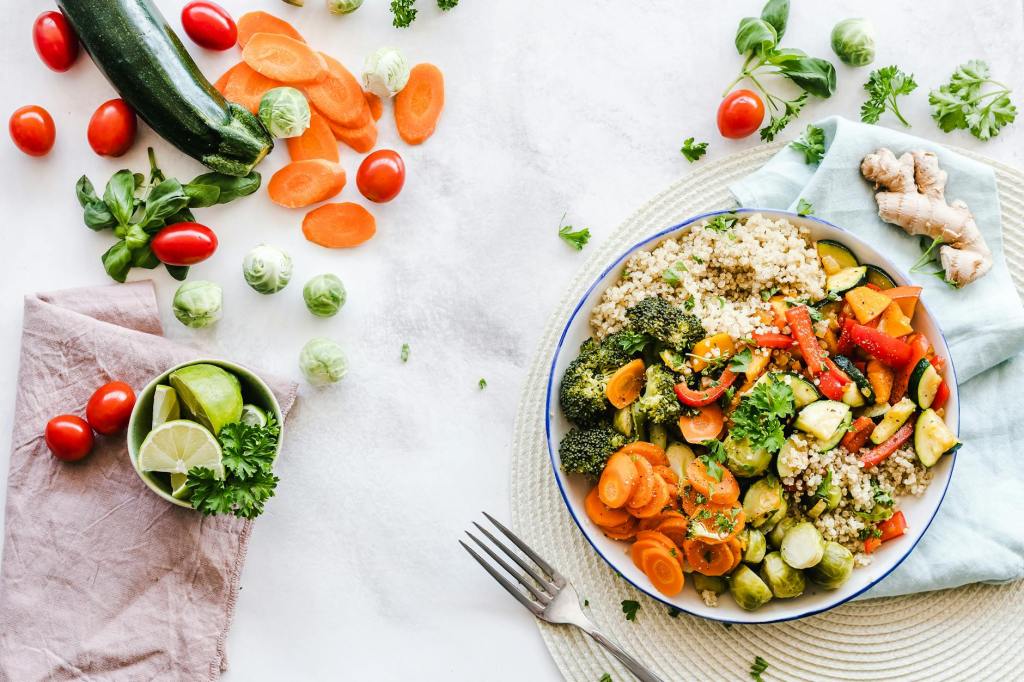
- Pasta & Grain Bowls: Mix them into pasta, quinoa, or rich dishes for added plant-based protein and flavor
How to Prep & Store Fava Beans for Maximum Freshness
To get the most out of your fava beans, follow these storage and preparation tips:
- Pick the Best Beans: Choose bright green, firm pods and avoid limp or brown-spotted ones
- Prepping for Cooking: Young fava beans can be eaten raw, while older ones should be shelled, peeled, and cooked by steaming or boiling
- Storage Tips: Fresh fava beans can be refrigerated for up to a week, while dried beans should be stored in an airtight container in a cool, dry place
Final Thoughts
Fava beans are a nutrient powerhouse that can elevate your health and meals in so many ways. Their rich fiber content, essential minerals, and delicious versatility make them a fantastic ingredient for any diet.
What’s your favorite way to enjoy fava beans? Do you have a family recipe or a unique dish you have? Share your ideas in the comments below – I’d love to hear them!


 Wholesomenique
Leave a comment